
When selecting a winch, one of the decisions that is often overlooked is the type of line used to pull the load.
The two most common options are steel cable and synthetic rope.
Both can provide reliable performance when properly selected and maintained, but they offer different advantages depending on the application.
So, which one is better?
The answer depends on how, where, and how frequently you plan to use your winch.
Let's take a closer look at the differences.
What Is Steel Cable?
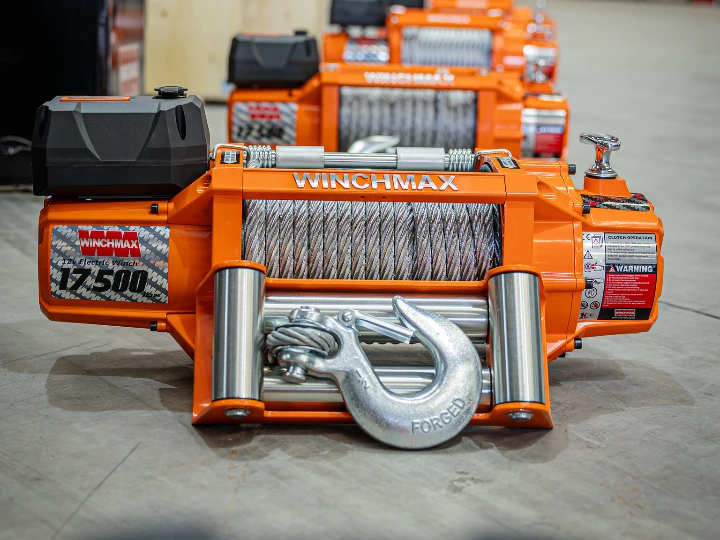
Steel cable has been used with winches for decades and remains a popular choice for demanding applications.
Manufactured from multiple strands of steel wire, it is designed to withstand significant pulling forces and challenging working environments.
Advantages of Steel Cable
Durability:
Steel cable is highly resistant to abrasion and can perform well in demanding industrial environments.
Resistance to Heat:
Steel cable generally handles heat better than synthetic rope, making it useful in applications where elevated temperatures may be present.
Excellent Abrasion Resistance:
When operating around rough surfaces, sharp edges, or heavy equipment, steel cable can provide excellent resistance to physical wear.
Long Service Life:
When properly maintained and used within its rated capacity, quality steel cable can provide dependable service for years.
What Is Synthetic Rope?
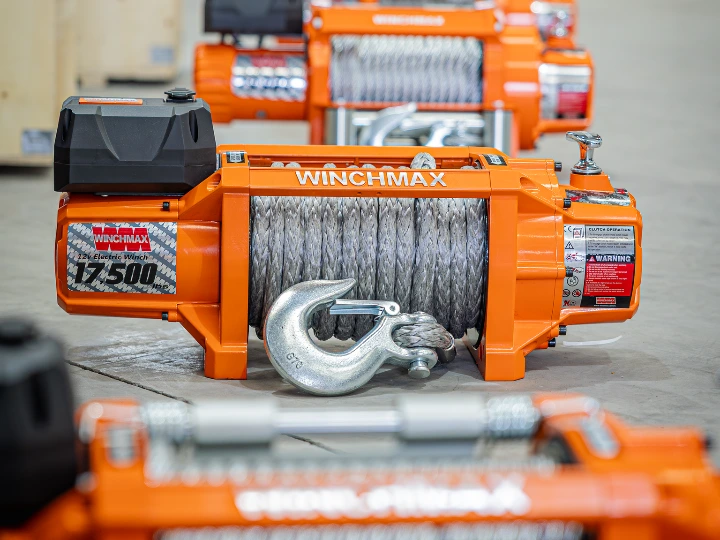
Synthetic winch rope is typically manufactured from high-strength fibers designed to provide excellent pulling performance while significantly reducing weight.
It has become increasingly popular in recovery, transportation, recreational, and specialized applications.
Advantages of Synthetic Rope
Lightweight:
Synthetic rope weighs considerably less than steel cable, making it easier to install, handle, and transport.
Easy to Handle:
Its flexibility makes synthetic rope easier for operators to manipulate during setup and recovery operations.
Reduced Corrosion Concerns:
Unlike steel cable, synthetic rope does not rust. However, it still requires proper care and protection from UV exposure, chemicals, abrasion, and other environmental factors.
Convenient for Frequent Handling:
For applications where operators frequently connect, disconnect, and reposition the winch line, the lighter weight of synthetic rope can be a major advantage.
Steel Cable vs. Synthetic Rope: Key Differences
Understanding the differences between the two options can make the purchasing decision much easier.
Feature
Steel Cable
Synthetic Rope
Recovery Applications:
Industrial Applications:
Maintenance:
Handling:
Corrosion:
Abrasion Resistance:
Excellent
Excellent
Excellent
Application dependent
Requires inspection for rust and damage
Requires inspection for cuts, abrasion, and UV damage
Heavier and less flexible
Easier to handle
Can corrode
Does not rust
Excellent
Good, depending on construction
Heat Resistance:
Excellent
More sensitive to heat
Weight:
Heavier
Lightweight
Neither option is automatically the best choice for every situation.
Which Is Better for Industrial Applications?
For demanding industrial environments, steel cable can be an excellent choice because of its durability, abrasion resistance, and ability to withstand challenging conditions.
Applications involving rough surfaces, heavy equipment, and frequent contact with abrasive materials may benefit from steel cable.
However, synthetic rope can also be an excellent solution when weight, ease of handling, and frequent line manipulation are important considerations.
The best option ultimately depends on the specific requirements of the operation.
Which Is Better for Vehicle Recovery?
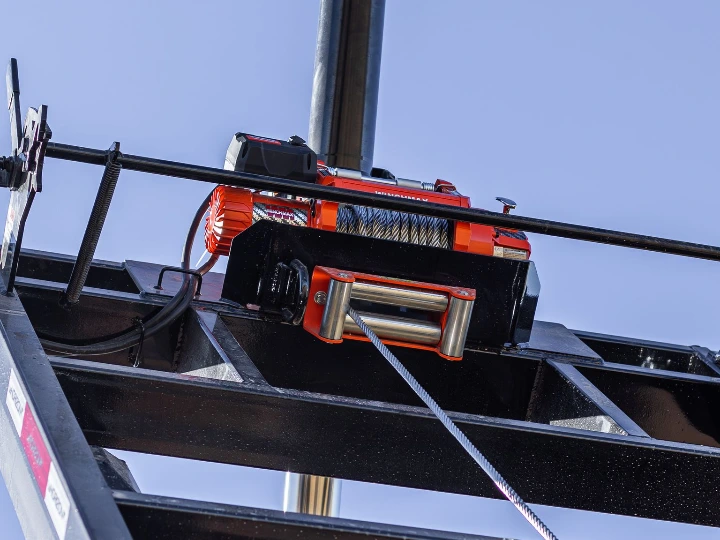
Synthetic rope has become particularly popular in vehicle recovery and off-road applications because of its lightweight construction and ease of handling.
Operators who frequently need to deploy and reposition a winch line can benefit from the reduced weight and flexibility.
Steel cable, however, remains a reliable option for recovery applications where durability and abrasion resistance are priorities.
Maintenance Matters Regardless of Your Choice
Choosing the right line is only part of the equation.
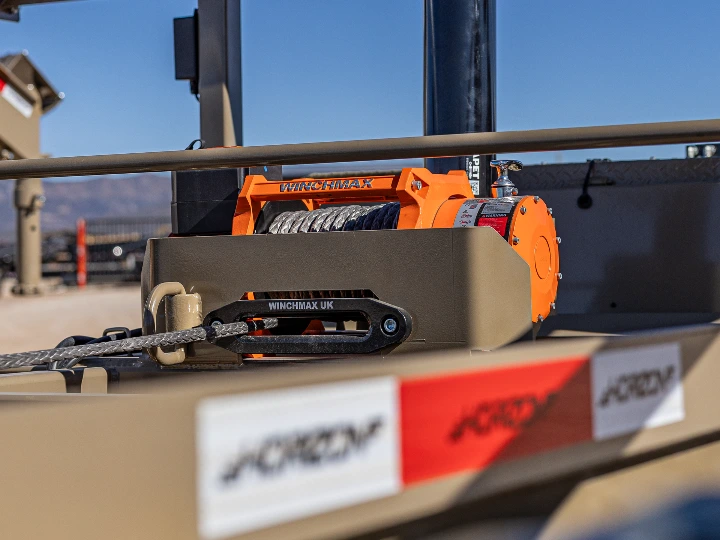
Both steel cable and synthetic rope require regular inspection and proper maintenance.
For Steel Cable:
Inspect regularly for:
- Broken strands
- Kinks
- Corrosion
- Crushing
- Flattened sections
- Excessive wear
For Synthetic Rope:
Inspect for:
- Cuts
- Fraying
- Abrasion
- UV damage
- Chemical exposure
- Excessive wear
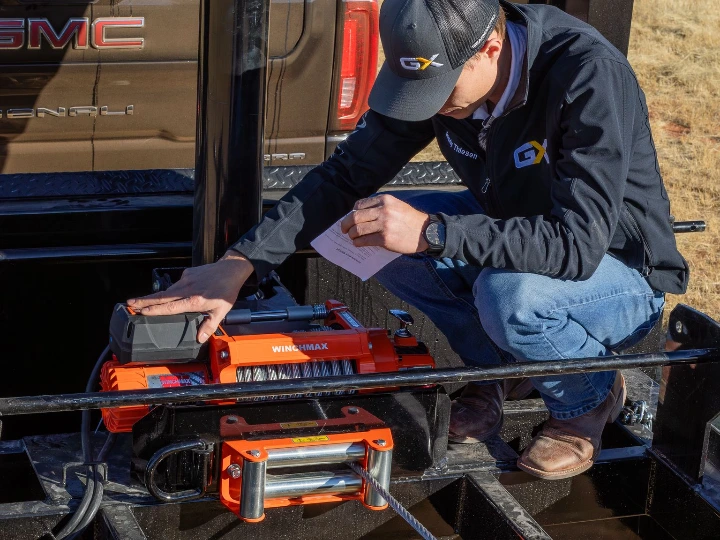
If the line shows significant damage, it should be removed from service and replaced according to the manufacturer's recommendations.
Consider Your Operating Environment
The environment where your winch operates can have a major impact on which option is most appropriate.
Consider Steel Cable When:
- The application involves significant abrasion.
- The equipment operates in harsh industrial environments.
- Heat resistance is important.
- The line may encounter rough surfaces frequently.
Consider Synthetic Rope When:
- Low weight is important.
- Operators frequently handle the winch line.
- Ease of deployment is a priority.
- The application allows for proper rope protection and maintenance.
Understanding the environment before making a purchase can help you avoid selecting equipment that isn't suited to your operation.
The Right Choice Depends on the Job
There isn't a universal winner between steel cable and synthetic rope.
Steel cable offers strength, durability, abrasion resistance, and excellent performance in demanding environments.
Synthetic rope offers lightweight handling, flexibility, and convenience for applications where those characteristics are important.
The right choice is the one that matches your equipment, workload, environment, and operating conditions.
GearMax Pro Can Help You Choose the Right Solution
At GearMax Pro, we understand that every operation has different requirements.
Whether you're looking for a winch for transportation, construction, agriculture, recovery, or industrial applications, selecting the right equipment and configuration is essential for reliable performance.
Our team can help you evaluate your application and find a winch solution that fits your specific needs.
Make Every Pull Count
The right winch line can make a significant difference in performance, safety, and ease of operation.
Before choosing between steel cable and synthetic rope, consider your application, environment, load requirements, and maintenance capabilities.
With the right equipment and proper maintenance, you can maximize performance and get more value from your investment.