
When you need to move a load or recover a vehicle, you want your winch ready to work. But performance depends on more than pulling capacity. The condition of the rope, electrical connections, battery, and mounting hardware matters, too.
Regular maintenance can help you catch wear, reduce breakdowns, and extend your equipment’s service life. Here are the key areas to check.
1. Inspect the Rope or Cable Before Every Use
Your winch line operates under tension and faces abrasion, dirt, and exposure to the elements. Inspecting it before each job helps identify damage that could lead to failure during a pull.
For steel cable, look for:
- Broken wire strands.
- Permanent kinks or flattened sections.
- Corrosion and damaged end connections.
For synthetic rope, look for:
- Cuts or excessive abrasion.
- Damaged fibers.
- Hardened or heat-damaged areas.
Check the hook and its connections as well. If you find damage, stop using the equipment and follow the manufacturer’s replacement instructions. Do not attempt to restore the line’s strength with knots or improvised repairs.
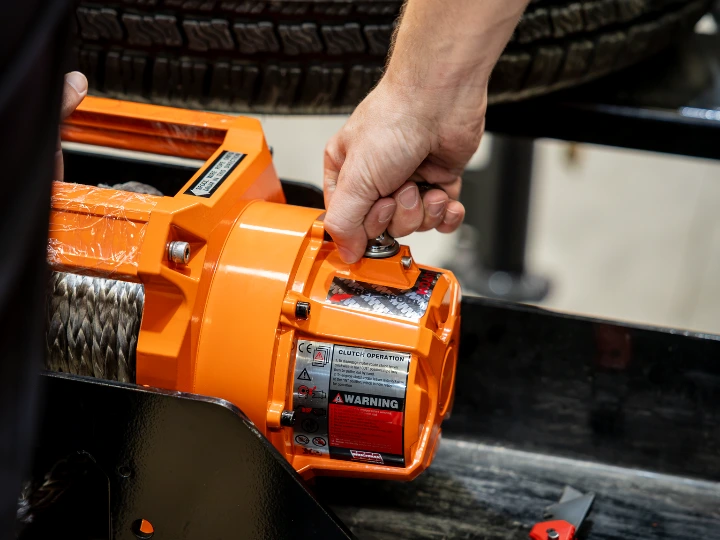
2. Clean the Equipment After Use
Mud, sand, and other debris can collect on the winch and its line. Cleaning also makes it easier to spot damage hidden beneath dirt.
Use the cleaning method specified for your model. Where the manufacturer permits it, clean the exterior with low-pressure water and a cloth. Avoid directing high-pressure water at electrical connections, controls, seals, or mechanisms.
For synthetic rope, follow its specific washing and drying instructions. Do not apply solvents, oils, or chemicals without confirming they are compatible.
3. Check Electrical Connections and Battery Condition
An electric winch needs an adequate power supply. Loose, corroded, or damaged connections can affect operation even when the rest of the equipment is in good condition.
With power isolated according to the manual, inspect:
- Electrical cables and their insulation.
- Battery and winch terminals.
- Ground connections.
- Remote control connectors.
Confirm that the battery meets your model’s requirements and stays in good condition. Follow the manufacturer’s procedure when cleaning or tightening connections, including any specified torque limits.
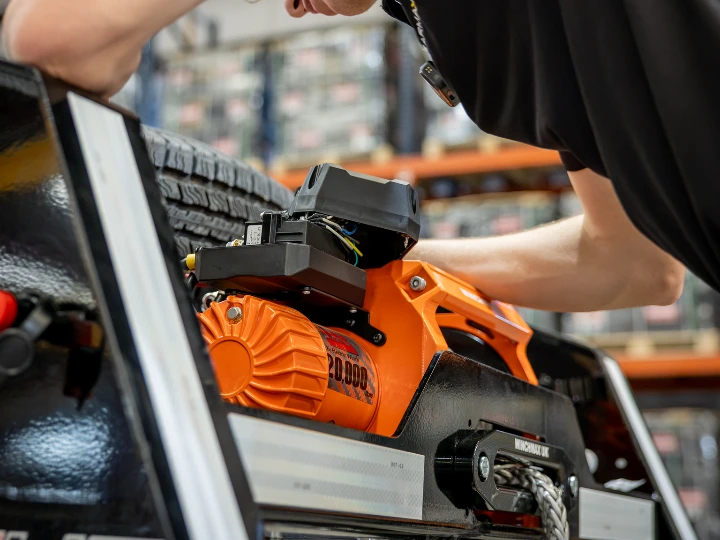
4. Inspect the Mounting Hardware
The mounting plate and fasteners carry the forces generated during a pull. A loose connection can allow movement and damage both the winch and the structure supporting it.
Inspect the mounting plate, fasteners, and fairlead. Look for deformation, cracks, corrosion, or signs that components have shifted.
Check fastener torque according to the manufacturer’s specifications and maintenance schedule. If the mounting plate or attachment points are damaged, have them evaluated before using the winch again.
5. Keep the Line Properly Spooled
Unevenly wound cable or rope can bind or become trapped beneath other wraps during the next pull.
Rewind the line using the tension and procedure specified for your model. Watch how it lays across the drum, and keep your hands clear of the fairlead, hook, and moving line.
Maintain the minimum number of wraps required on the drum. That requirement can vary by winch model and line type.
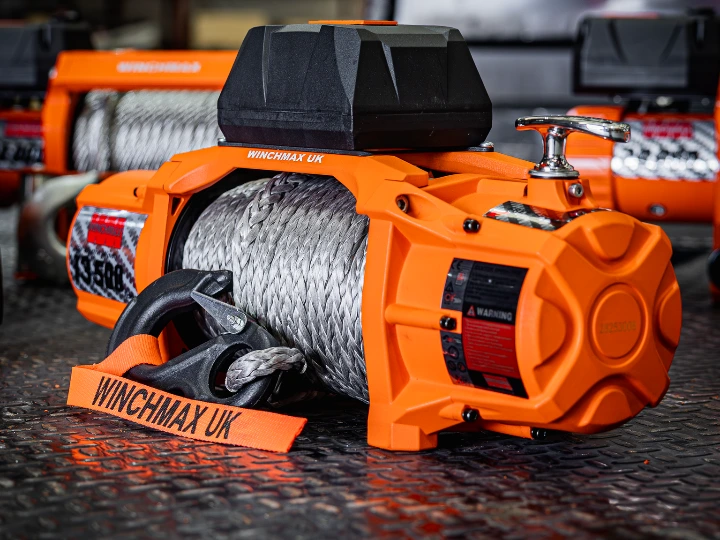
6. Lubricate Only as Directed
Adding more grease does not always mean better maintenance. Some winches have factory-lubricated mechanisms that do not require routine lubrication by the owner.
Consult the manual before lubricating gears, cable, hooks, or other components. Use only the specified products and amounts. Synthetic rope requires different care than steel cable.
If the winch has been submerged or develops unusual noises, seek technical guidance. Cleaning the exterior may not address an internal problem.
7. Care for the Remote and Protect the Winch During Storage
Inspect the remote control, its cable, and its connectors. Check for damage, corrosion, or buttons that stick. For wireless controls, check the battery as well.
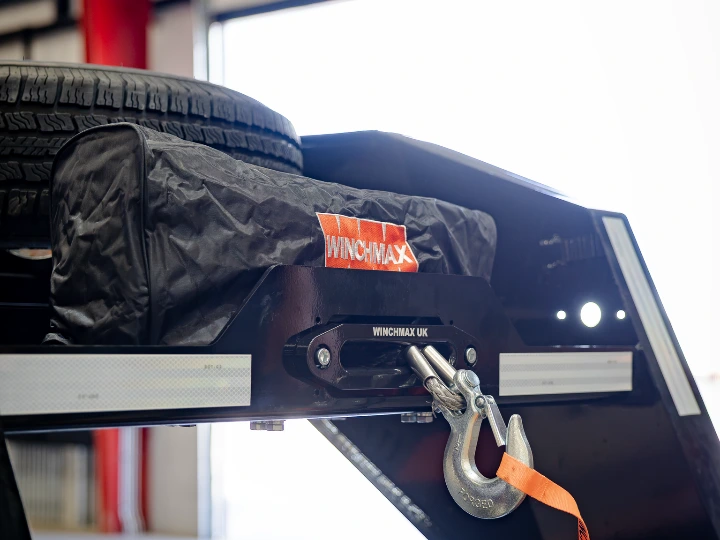
After use, disconnect or deactivate the remote as instructed and store it somewhere clean and dry. If you use a winch cover, choose one suitable for the equipment and avoid trapping moisture beneath it.
Before an important job, perform the function check described in the manual. If operation is intermittent, the winch makes unusual noises, or the drum does not move, identify the cause before applying a load.
Good Maintenance Continues During Operation
How you operate the winch also affects its service life. Stay within its rated capacity and duty cycle, allow the required cooling breaks, and stop if the equipment overheats or operates inconsistently.
A clean, properly mounted, regularly inspected winch is better prepared to respond when you need it. Keep a maintenance record and adjust inspection frequency to your working conditions while following the manual for your specific model.
Need a winch or accessories for your application? Contact GearMax Pro and tell us what you need to move, where you’ll install the equipment, and how often you plan to use it. Our team can help you explore the available options.